VinylCastJoin the Beta

Top 100 Best-Selling US Vinyl Albums of All Time (1960–2010)

The Top 100 best-selling US vinyl albums of all time — each paired with a free podcast story explaining how the record was actually made.

Why this Top 100 exists

This hub maps the Top 100 best-selling US vinyl albums of all time across the half-century 1960–2010 and connects each one to a free VinylCast podcast that explains how the record was actually made. Every story is human-curated and verified against the published audio episode — not a recycled press release.

We focus on the 1960–2010 window for two reasons. 1960 marks the moment the 12-inch LP became the dominant consumer format, and 2010 closes the half-century before streaming-equivalent units distorted the sales picture. These records sit inside that pure-vinyl era, ranked across our hybrid RIAA + Luminate methodology with one verified podcast per entry.

Each card shows you the album, its position in the global Top 100 and inside its own VinylCast genre, plus a short editorial hook drawn straight from the published podcast script. If the record has a verified production-incident angle, you also get a one-click bridge to the Studio Accidents that shaped recordings hub.

Every linked podcast uses disclosed synthetic narration under human editorial sign-off. For who stands behind the voice and our beta accessibility statement, see those pages.

Looking for the wider context behind the ranking? Read the full methodology section further down on this page, then jump into a podcast.

Filter the Top 100 by genre and decade

The Top 100: best-selling US vinyl albums of all time (1960–2010)

Every album below sits at its true position in the global Top 100 — pick a genre pill above to narrow the list without losing the ranking. Each row links to the free podcast that tells the album’s creation story.
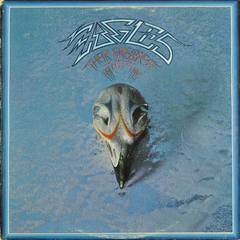
Their Greatest Hits (1971–1975) by The Eagles album cover

#1Their Greatest Hits (1971–1975)

The Eagles1976Rock#1 in Rock2m 11s listen

The Eagles' Their Greatest Hits (1971–1975) was born from corporate necessity, not artistic vision—a compilation cobbled together while the band finished Hotel California, yet it became the first album to achieve RIAA platinum certification and redefined commercial success in rock.

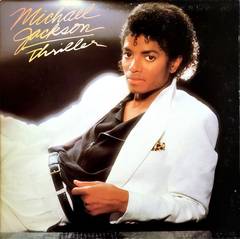
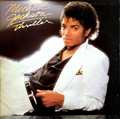
Thriller by Michael Jackson album cover

#2Thriller

Michael Jackson1982R&B/Soul#1 in R&B/Soul3m 26s listen

Michael Jackson's Thriller arrived in 1982 as a calculated breakthrough: a twenty-four-year-old artist determined to make every track a hit, backed by producer Quincy Jones and a $750,000 budget that shattered industry norms during America's deepest recession.

Back in Black by AC/DC album cover

#3Back in Black

AC/DC1980Rock#2 in Rock2m 46s listen

Two months after Bon Scott's death, AC/DC faced potential dissolution until Brian Johnson's audition revived them. Recorded amid tropical storms at Compass Point Studios in 1980, Back in Black became the ac dc back in black album that proved hard rock's resilience against synthesizer-driven trends.

Hotel California by The Eagles album cover

#4Hotel California

The Eagles1976Rock#3 in Rock3m 20s listen

The Eagles' Hotel California album emerged from creative upheaval in 1976, requiring thirty-three tape edits and three separate recording attempts to perfect its title track. This sonic reinvention marked the band's shift toward a harder sound after parting ways with founding member Bernie Leadon.

Double Live by Garth Brooks album cover

#5Double Live

Garth Brooks1998Country#1 in Country2m 53s listensales rank #7

Garth Brooks captured his 1996–1998 World Tour dominance on Double Live, a 1998 double live album that redefined country concert recordings. Backed by the G-Men and performing with a wireless headset, Brooks revolutionized live country performance across two hundred twenty arenas globally.

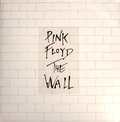
The Wall by Pink Floyd album cover

#6The Wall

Pink Floyd1979Rock#6 in Rock2m 45s listensales rank #8

Roger Waters' contempt for a fan at a 1977 concert sparked Pink Floyd's The Wall, a sprawling rock opera born from financial crisis and internal fracture. Recorded in tax exile, the 1979 album transformed personal anguish into a forty-page narrative about isolation and breakdown.

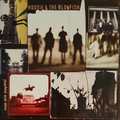
Cracked Rear View by Hootie & the Blowfish album cover

#7Cracked Rear View

Hootie & the Blowfish1994Rock#7 in Rock2m 43s listensales rank #10

When Atlantic Records executives dismissed Hootie & the Blowfish's debut as unmarketable in 1994, they couldn't have been more wrong. The Cracked Rear View album became a cultural phenomenon, proving that authentic musicianship could triumph over industry cynicism and reshape rock radio.

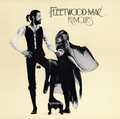
Rumours by Fleetwood Mac album cover

#8Rumours

Fleetwood Mac1977Rock#8 in Rock2m 41s listensales rank #11

Fleetwood Mac recorded Rumours in 1977 while band members' marriages collapsed and personal betrayals fueled studio tension. The album became a masterpiece of heartbreak disguised as pop perfection, with members writing subliminal messages to each other through their lyrics.

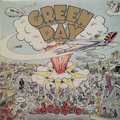
Dookie by Green Day album cover

#9Dookie

Green Day1994Rock#9 in Rock3m 00s listensales rank #12

Green Day's 1994 breakthrough Dookie arrived when grunge dominated the airwaves, injecting punk energy into the mainstream after the Berkeley trio signed with Reprise Records and faced backlash from their original scene.

Metallica (Black Album) by Metallica album cover

#10Metallica (Black Album)

Metallica1991Rock#10 in Rock2m 32s listensales rank #13

Metallica's 1991 self-titled Metallica album emerged from creative conflict and personal turmoil at One on One Studios, where producer Bob Rock forced the thrash pioneers to reinvent their sound, slowing tempos and finally audible bass lines that would define a generation.

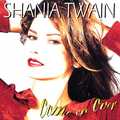
Come On Over by Shania Twain album cover

#11Come On Over

Shania Twain1997Rock#11 in Rock3m 01s listensales rank #14

Shania Twain's Come On Over emerged from a desperate car ride melody in 1997, engineered with stadium-sized ambition by producer Mutt Lange. His unconventional approach—layering four fiddle players in unison and recording drums in stone rooms—created a sonic wall that shattered country radio conventions and dominated charts globally.

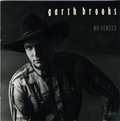
No Fences by Garth Brooks album cover

#12No Fences

Garth Brooks1990Country#2 in Country2m 31s listensales rank #15

Garth Brooks' No Fences began with a bar napkin and an anthem called "Friends in Low Places" that nearly went to another artist. The 1990 album shattered country's honky-tonk boundaries, blending arena rock swagger with acoustic storytelling to create stadium country.

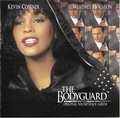
The Bodyguard (OST) by Whitney Houston album cover

#13The Bodyguard (OST)

Whitney Houston1992Pop#2 in Pop2m 52s listensales rank #16

Whitney Houston's reluctant turn as a film actress led to The Bodyguard, a 1992 soundtrack that became the best-selling of all time. Kevin Costner's pitch of a Dolly Parton cover—stripped to Whitney's a cappella voice—created the decade-defining anthem.

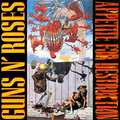
Appetite for Destruction by Guns N' Roses album cover

#14Appetite for Destruction

Guns N' Roses1987Rock#12 in Rock3m 11s listensales rank #17

Guns N' Roses recorded Appetite for Destruction in 1987 at Rumbo Recorders, where producer Mike Clink spliced together eighteen-hour sessions with a razor blade. The album's raw sonic signature emerged from happy accidents: Slash's rented Marshall amp and Axl Rose's obsessive, line-by-line vocal perfectionism defined a record that would reshape rock music.

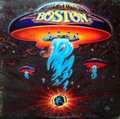
Boston by Boston album cover

#15Boston

Boston1976Rock#13 in Rock3m 03s listensales rank #18

Tom Scholz, an MIT engineer working nights in his Massachusetts basement, defied record label demands and secretly recorded Boston's 1976 debut album in his home studio while the band posed for executives in Los Angeles—a calculated deception that produced one of rock's most commercially dominant releases.

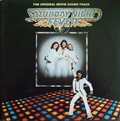
Saturday Night Fever (Soundtrack) by Bee Gees / Various album cover

#16Saturday Night Fever (Soundtrack)

Bee Gees / Various1977Pop#3 in Pop2m 32s listensales rank #19

When drummer Dennis Bryon left mid-session, engineer Karl Richardson improvised a tape loop that became the pulse of "Stayin' Alive"—accidentally birthing the Saturday Night Fever album at a French château, reshaping pop music forever.

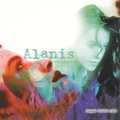
Jagged Little Pill by Alanis Morissette album cover

#17Jagged Little Pill

Alanis Morissette1995Rock#14 in Rock2m 43s listensales rank #20

Alanis Morissette channeled trauma from a violent street robbery into Jagged Little Pill, recording nearly every vocal in raw first or second takes with producer Glen Ballard in 1995. The jagged little pill album merged funk-metal edge with classic rock soul, creating the sound that would define a generation.

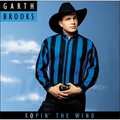
Ropin' the Wind by Garth Brooks album cover

#18Ropin' the Wind

Garth Brooks1991Country#3 in Country2m 06s listensales rank #21

Recorded in stolen moments between 250 days of touring annually, Garth Brooks' Ropin' the Wind shattered the country-pop divide when it debuted at number one on the Billboard 200 in September 1991, selling 400,000 copies in its first week.

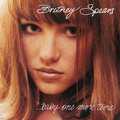
...Baby One More Time by Britney Spears album cover

#19...Baby One More Time

Britney Spears1998Pop#4 in Pop2m 42s listensales rank #22

At sixteen, Britney Spears entered Cheiron Studios in Stockholm to record ...Baby One More Time, the breakthrough single that defied industry skepticism about teen solo artists. Producers Max Martin and Rami Yacoub shaped her vocal delivery into pop's defining sound of the late '90s.

Wide Open Spaces by The Chicks album cover

#20Wide Open Spaces

The Chicks1998Country#4 in Country2m 51s listensales rank #23

The Chicks' Wide Open Spaces arrived in 1998 as a defiant counterpoint to Nashville's polished pop-country formula. Born from a accidentally-preserved notebook and shaped by two virtuoso sisters and a bold new vocalist, the album became country radio's seismic shift.

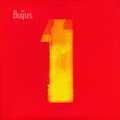
1 by The Beatles album cover

#211

The Beatles2000Rock#15 in Rock2m 52s listensales rank #24

On November 13, 2000, The Beatles 1 arrived as a striking modernist statement—a collection of twenty-seven number-one singles that proved the band's unmatched dominance of the three-minute format before they revolutionized the album as an art form.

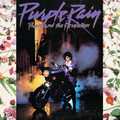
Purple Rain by Prince album cover

#22Purple Rain

Prince1984R&B/Soul#2 in R&B/Soul3m 04s listensales rank #25

In a St. Louis warehouse during summer 1983, Prince pushed The Revolution through grueling sessions that transformed a country demo into Purple Rain, his sixth studio album. Released June 1984, the record marked his first major collaboration, proving Warner Bros wrong.

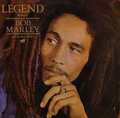
Legend (The Best Of Bob Marley And The Wailers) by Bob Marley & The Wailers album cover

#23Legend (The Best Of Bob Marley And The Wailers)

Bob Marley & The Wailers1984Pop#5 in Pop2m 24s listensales rank #26

Three years after Bob Marley's death, Island Records strategically curated Legend to soften his revolutionary image for mainstream America, yet the 1984 compilation couldn't fully suppress the fire beneath its polished surface.

Millennium by Backstreet Boys album cover

#24Millennium

Backstreet Boys1999Pop#6 in Pop3m 09s listensales rank #27

Amid a brutal legal battle with their manager and devastating personal losses, the Backstreet Boys channeled their pain into Millennium, the millennium album that redefined pop's sonic landscape and became their commercial breakthrough in 1999.

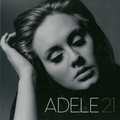
21 by Adele album cover

#2521

Adele2011Pop#1 in Pop3m 08s listensales rank #28

Adele's 21 album emerged from heartbreak into a global phenomenon, with the breakthrough single "Rolling in the Deep" born from a single studio session where raw emotion met deliberate craft—stomping boots on wood to capture a racing heart.

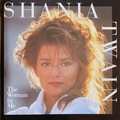
The Woman in Me by Shania Twain album cover

#26The Woman in Me

Shania Twain1995Rock#16 in Rock2m 47s listensales rank #29

After a failed debut, Shania Twain partnered with AC/DC producer Mutt Lange to blend country roots with arena rock ambition on The Woman in Me. Their 1995 collaboration bridged Nashville skepticism and rock innovation, reshaping country music forever.

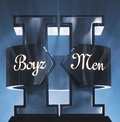
II by Boyz II Men album cover

#27II

Boyz II Men1994R&B/Soul#3 in R&B/Soul1m 57s listensales rank #30

Boyz II Men's II arrived in 1994 as a masterclass in navigating corporate pressure. The group fought Motown executives to preserve their sound, ultimately delivering an album that replaced itself atop the Billboard Hot 100—a feat unseen since The Beatles.

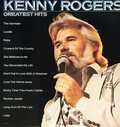
Kenny Rogers' Greatest Hits by Kenny Rogers album cover

#28Kenny Rogers' Greatest Hits

Kenny Rogers1980Pop#7 in Pop2m 16s listensales rank #31

Kenny Rogers' Greatest Hits arrived in 1980 as a genre-defying coronation, capturing the warmth of live studio recording where steel guitar and vocals bled together in the same room, transforming Kenny Rogers' Greatest Hits into a masterclass in curation that dominated Pop, Country, and R&B charts simultaneously.

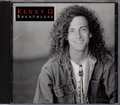
Breathless by Kenny G album cover

#29Breathless

Kenny G1992Jazz#2 in Jazz2m 49s listensales rank #32

In 1992's grunge-dominated landscape, Kenny G's Breathless defied expectations by becoming a commercial juggernaut—reaching number two on the Billboard 200 and achieving six-times Multi-Platinum status within a year, proving instrumental jazz could dominate mainstream charts.

Supernatural by Santana album cover

#30Supernatural

Santana1999Rock#17 in Rock2m 49s listensales rank #33

After walking away from Island Records with nothing in 1996, Carlos Santana defied industry predictions of irrelevance. Guided by spiritual conviction and paired with Clive Davis's carefully curated collaborators, Santana's Supernatural emerged as a masterclass in bridging vintage Latin rock with modern pop—capturing lightning in a bottle at fifty years old.

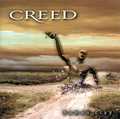
Human Clay by Creed album cover

#31Human Clay

Creed1999Rock#18 in Rock2m 23s listensales rank #34

Forged on the road in cramped hotel rooms and tested before screaming fans, Creed's Human Clay emerged from the band's visceral "goosebump test" standard. Yet behind this hard rock breakthrough, the original lineup was fracturing under toxic tensions that would define their final document together.

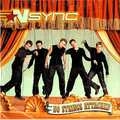
No Strings Attached by NSYNC album cover

#32No Strings Attached

NSYNC2000Pop#8 in Pop3m 22s listensales rank #35

NSYNC's No Strings Attached emerged from a $150 million legal battle for creative freedom in 1999, with the album's title inspired by Pinocchio as the band demanded a harder sound to break from their rivals.

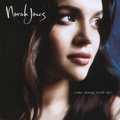
Come Away with Me by Norah Jones album cover

#33Come Away with Me

Norah Jones2002Jazz#3 in Jazz2m 55s listensales rank #36

Norah Jones arrived on February 26, 2002, with Come Away with Me, an album that nearly didn't exist after initial rejection by Blue Note Records. Producer Arif Mardin's stripped-down approach—capturing Jones's voice through a vintage microphone—created the intimate sonic reassurance a post-9/11 world was craving.

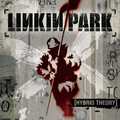
Hybrid Theory by Linkin Park album cover

#34Hybrid Theory

Linkin Park2000Rock#19 in Rock2m 49s listensales rank #37

Linkin Park's Hybrid Theory emerged from a windowless Hollywood rehearsal space where Mike Shinoda crafted demos on an MPC 2000 after forty-two label rejections. The 2000 album captured genuine tension from its brutal recording sessions, with Chester Bennington's raw vocals born directly from clashing with perfectionist producer Don Gilmore.

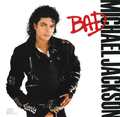
Bad by Michael Jackson album cover

#35Bad

Michael Jackson1987R&B/Soul#4 in R&B/Soul3m 14s listensales rank #38

Michael Jackson's Bad arrived in 1987 as a defiant break from Thriller's shadow, built in isolation at his home studio with a renegade production team and cutting-edge digital technology that shaped the album's industrial edge.

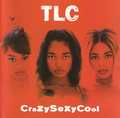
CrazySexyCool by TLC album cover

#36CrazySexyCool

TLC1994R&B/Soul#5 in R&B/Soul2m 34s listensales rank #39

TLC's 1994 CrazySexyCool album emerged from chaos—Left Eye's legal troubles and rehab stint fractured the recording process, yet the trio pivoted from new jack swing toward a mature hip-hop soul sound that would define the era and cement the group's legacy.

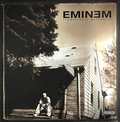
The Marshall Mathers LP by Eminem album cover

#37The Marshall Mathers LP

Eminem2000Hip-Hop/Rap#1 in Hip-Hop/Rap3m 09s listensales rank #40

Eminem's The Marshall Mathers LP emerged from a volatile creative sprint in 2000, born from twenty-hour studio sessions fueled by heartbreak and spontaneity. The album's rapid conception—with tracks like Marshall Mathers and Criminal sparked by chance studio moments—produced a cultural explosion that moved 1.76 million copies in its first week.

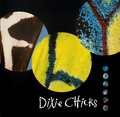
Fly by The Chicks album cover

#38Fly

The Chicks1999Rock#20 in Rock2m 52s listensales rank #41

In summer 1999, The Chicks shed their country constraints with Fly, a defiant sophomore album that blended banjos and pop sensibility. Rejecting anything too "Chickish," the trio co-wrote and curated tracks ranging from sweeping love songs to dark comedies, proving country music could be rebellious and boundary-pushing.

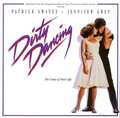
Dirty Dancing (Soundtrack) by Various Artists album cover

#39Dirty Dancing (Soundtrack)

Various Artists1987Pop#9 in Pop3m 12s listensales rank #42

Franke Previte scribbled lyrics on an envelope while driving the Garden State Parkway, skeptical he was wasting time on a cheap movie. That film became Dirty Dancing, and the dirty dancing album soundtrack emerged from rejection and chaos to become one of the best-selling records ever.

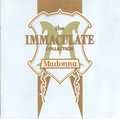
The Immaculate Collection by Madonna album cover

#40The Immaculate Collection

Madonna1990Pop#10 in Pop3m 40s listensales rank #43

Madonna's The Immaculate Collection arrived in 1990 as a calculated act of rebellion, featuring the banned Justify My Love video that became the best-selling video single ever. Remixed entirely in six weeks using cutting-edge QSound technology, the album redefined the compilation format for a new decade.

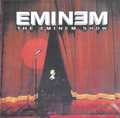
The Eminem Show by Eminem album cover

#41The Eminem Show

Eminem2002Hip-Hop/Rap#2 in Hip-Hop/Rap2m 56s listensales rank #44

Eminem took creative control for The Eminem Show in 2002, producing most tracks himself while battling the paranoia of constant public scrutiny. The album became his artistic statement on fame's invasive machinery.

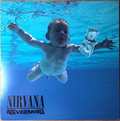
Nevermind by Nirvana album cover

#42Nevermind

Nirvana1991Rock#21 in Rock3m 31s listensales rank #45

In May 1991, Nirvana arrived at Sound City Studios with a sixty-five-thousand-dollar budget and a sonic blueprint inspired by the Pixies. Producer Butch Vig captured Kurt Cobain's vision of quiet verses exploding into thunderous choruses, creating Nevermind album that would dismantle hair metal's dominance.

Confessions by Usher album cover

#43Confessions

Usher2004R&B/Soul#6 in R&B/Soul2m 51s listensales rank #46

In 2004, Usher's Confessions album became a cultural flashpoint when fans mistook producer Jermaine Dupri's real infidelity crisis for the R&B star's own scandal, blurring the line between confession and performance that defined this Diamond-certified masterpiece.

Can't Slow Down by Lionel Richie album cover

#44Can't Slow Down

Lionel Richie1983R&B/Soul#7 in R&B/Soul3m 06s listensales rank #47

Lionel Richie locked himself in LA studios for six months in 1983 to craft Can't Slow Down, an album that would compete with the biggest records in history. The breakthrough came when he improvised a fake language for the now-iconic "All Night Long," a moment of creative desperation that became a global phenomenon.

Ten by Pearl Jam album cover

#45Ten

Pearl Jam1991Rock#22 in Rock2m 58s listensales rank #48

Pearl Jam's 1991 debut Ten emerged from tragedy when bassist Jeff Ament and guitarist Stone Gossard transformed instrumental demos into a cultural watershed. Eddie Vedder's arrival sparked the ten album's creation in just one week of rehearsals.

Fearless by Taylor Swift album cover

#46Fearless

Taylor Swift2008Country#5 in Country2m 59s listensales rank #49

Taylor Swift composed Fearless almost entirely on the road while opening for country legends in 2007 and 2008, crafting 75 songs about adolescent turbulence into her fearless album breakthrough that redefined pop songwriting.

Country Grammar by Nelly album cover

#47Country Grammar

Nelly2000Hip-Hop/Rap#3 in Hip-Hop/Rap2m 38s listensales rank #50

Nelly's Country Grammar arrived in 2000 as a Midwest breakthrough, with the artist fighting his label to release the title track as lead single. The St. Lunatics collective's strategic gambit introduced a slurry, melodic Missouri sound that redrew hip-hop's regional map.

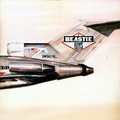
Licensed to Ill by Beastie Boys album cover

#48Licensed to Ill

Beastie Boys1986Hip-Hop/Rap#4 in Hip-Hop/Rap2m 47s listensales rank #51

The Beastie Boys' Licensed to Ill debut collided punk aggression with hip-hop on 1986's most explosive album, built on Rick Rubin's primitive tape-loop engineering that captured Led Zeppelin's thunder and shattered racial barriers in rap.

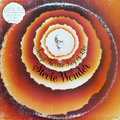
Songs in the Key of Life by Stevie Wonder album cover

#49Songs in the Key of Life

Stevie Wonder1976R&B/Soul#8 in R&B/Soul3m 16s listensales rank #52

Stevie Wonder nearly quit music entirely in 1975, but a landmark thirteen-million-dollar Motown deal and the urgency of his own mortality drove him to create Songs in the Key of Life—a sprawling double album where Stevie Wonder songs showcase his most obsessive, forty-eight-hour creative sessions.

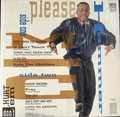
Please Hammer Don't Hurt 'Em by MC Hammer album cover

#50Please Hammer Don't Hurt 'Em

MC Hammer1990Hip-Hop/Rap#5 in Hip-Hop/Rap3m 06s listensales rank #53

MC Hammer's Please Hammer Don't Hurt 'Em emerged from a mobile studio built inside a tour bus during 1988-1989, where producer Felton Pilate and James Earley crafted a ten-thousand-dollar phenomenon that brought polished R&B vocals and recognizable samples to mainstream hip-hop.

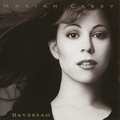
Daydream by Mariah Carey album cover

#51Daydream

Mariah Carey1995R&B/Soul#9 in R&B/Soul2m 58s listensales rank #54

Mariah Carey's 1995 album Daydream emerged from a creative rebellion against strict label control, as the singer secretly recorded alternative rock while crafting this fifth studio album that would finally blend her signature vocals with hip-hop textures and urban production.

Music Box by Mariah Carey album cover

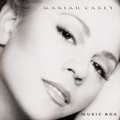
#52Music Box

Mariah Carey1993R&B/Soul#10 in R&B/Soul2m 03s listensales rank #55

In 1993, Mariah Carey crafted Music Box while trapped in a gilded cage—a calculated sonic truce that balanced her hip-hop roots against label demands for pop radio polish, featuring the near-giveaway of "Hero" to Gloria Estefan before Sony executives intervened.

Greatest Hits by Patsy Cline album cover

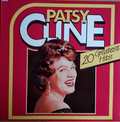
#53Greatest Hits

Patsy Cline1990Country#6 in Country2m 10s listensales rank #56

Patsy Cline's Greatest Hits became a commercial juggernaut across decades, earning Diamond certification by introducing her transcendent vocal legacy to generations of listeners. Originally released in 1967, this greatest hits album found renewed life on CD during the digital revolution, cementing its status as essential pop culture textbook.

The Miseducation of Lauryn Hill by Lauryn Hill album cover

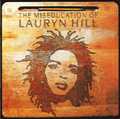
#54The Miseducation of Lauryn Hill

Lauryn Hill1998Hip-Hop/Rap#6 in Hip-Hop/Rap2m 24s listensales rank #57

Pregnant and pressured to terminate, Lauryn Hill retreated to Jamaica's Tuff Gong Studios to create The Miseducation of Lauryn Hill—a defiant 1998 confessional that rejected polished production for raw, organic instrumentation and helped define Neo-Soul.

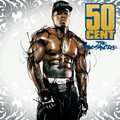
Get Rich or Die Tryin' by 50 Cent album cover

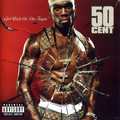
#55Get Rich or Die Tryin'

50 Cent2003Hip-Hop/Rap#7 in Hip-Hop/Rap3m 10s listensales rank #58

Surviving nine gunshots that ended his Columbia Records deal, 50 Cent retreated to Long Island and built Get Rich or Die Tryin' into a 2003 hip-hop juggernaut through relentless work with producer Sha Money XL and a volatile partnership with Dr. Dre and Eminem. The album's authenticity—forged in exile and mentored by Jam Master Jay—transformed mixtape momentum into a landmark one-million-dollar joint venture that produced chart-dominating hits like "In da Club.

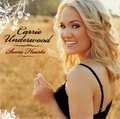
Some Hearts by Carrie Underwood album cover

#56Some Hearts

Carrie Underwood2005Country#7 in Country2m 52s listensales rank #59

Carrie Underwood's 2005 debut Some Hearts emerged from a chaotic three-month sprint following her American Idol victory, with producer decisions transforming humorous demos into searing country-pop anthems that redefined the genre's commercial landscape.

Breathe by Faith Hill album cover

#57Breathe

Faith Hill1999Country#8 in Country2m 30s listensales rank #61

Faith Hill's 1999 album Breathe emerged from seven intense weeks of songwriting perfectionism, positioning her at the center of country music's crossover into global pop dominance as the millennium approached.

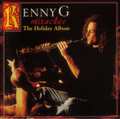
Miracles: The Holiday Album by Kenny G album cover

#58Miracles: The Holiday Album

Kenny G1994Jazz#4 in Jazz2m 50s listensales rank #62

Kenny G's 1994 Miracles: The Holiday Album emerged from a bold negotiation with Arista Records, where the saxophonist refused a superstar vocal feature and instead crafted an instrumental holiday record that reframed Christmas classics through a deeply personal lens.

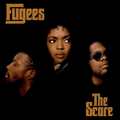
The Score by The Fugees album cover

#59The Score

The Fugees1996Hip-Hop/Rap#8 in Hip-Hop/Rap2m 26s listensales rank #63

The Fugees recorded The Score in a cramped New Jersey basement, transforming a $135,000 advance into an "audio film" that blended sampled soul, reggae reimagining, and raw emotional vulnerability between June and November 1996.

Songs in A Minor by Alicia Keys album cover

#60Songs in A Minor

Alicia Keys2001R&B/Soul#11 in R&B/Soul2m 52s listensales rank #64

Alicia Keys recorded her debut Songs in A Minor in a basement studio after Columbia Records rejected her vision, fusing classical piano with East Coast hip-hop to create the neo-soul blueprint. Her alicia keys songs in a minor breakthrough came when Clive Davis signed her to J Records and granted the creative freedom that shaped this landmark 2001 release.

Ricky Martin (1999) by Ricky Martin album cover

#61Ricky Martin (1999)

Ricky Martin1999Latin#1 in Latin2m 31s listensales rank #65

Ricky Martin's 1999 self-titled album emerged from a Grammy performance that forced Sony's hand into a full English-language crossover. Built on "Livin' la Vida Loca"—a genre-defying fusion of Latin percussion and surf-rock that Martin instantly recognized as career-defining—the Ricky Martin album became the first number-one hit recorded entirely in Pro Tools.

Blood Sugar Sex Magik by Red Hot Chili Peppers album cover

#62Blood Sugar Sex Magik

Red Hot Chili Peppers1991Funk#1 in Funk3m 11s listensales rank #66

In spring 1991, the Red Hot Chili Peppers retreated to a haunted Laurel Canyon mansion to record Blood Sugar Sex Magik with producer Rick Rubin, abandoning heavy metal distortion for a stripped-down groove that redefined their sound and launched them into the mainstream.

Unforgettable... with Love by Natalie Cole album cover

#63Unforgettable... with Love

Natalie Cole1991Jazz#5 in Jazz2m 02s listensales rank #67

After nearly two decades avoiding her father's repertoire, Natalie Cole broke her own rule in 1991 with Unforgettable... with Love, a duet album that required sonic surgery to unite her voice with Nat King Cole's original 1951 recordings. The risky project became a 7x Platinum triumph and swept the 1992 Grammys.

Speakerboxxx/The Love Below by OutKast album cover

#64Speakerboxxx/The Love Below

OutKast2003Hip-Hop/Rap#9 in Hip-Hop/Rap2m 43s listensales rank #68

OutKast's 2003 double album Speakerboxxx/The Love Below emerged from creative distance—André 3000 isolated in Los Angeles experimenting with jazz while Big Boi refined funk-heavy Southern rap in Atlanta. What could have fractured the group instead produced an ambitious sonic split that redefined how hip-hop's biggest acts could operate as one.

The Massacre by 50 Cent album cover

#65The Massacre

50 Cent2005Hip-Hop/Rap#10 in Hip-Hop/Rap3m 07s listensales rank #69

In February 2005, 50 Cent publicly exiled The Game from G-Unit, sparking street violence that preceded The Massacre. Stripped of key tracks and battling his label, Curtis Jackson rebuilt the album with an anonymous beat-selection process, shifting toward hook-driven production.

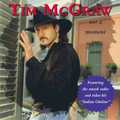
Not a Moment Too Soon by Tim McGraw album cover

#66Not a Moment Too Soon

Tim McGraw1994Country#9 in Country2m 53s listensales rank #70

Tim McGraw's second album Not a Moment Too Soon arrived in 1994 as a calculated gamble after his debut flopped—he seized creative control, partnering with producers Byron Gallimore and James Stroud to record songs on his own terms. The not a moment too soon album strategy paid off, launching McGraw into the mainstream with crossover hits that proved he could command attention in a Garth Brooks-dominated landscape.

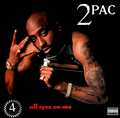
All Eyez on Me by 2Pac album cover

#67All Eyez on Me

2Pac1996Hip-Hop/Rap#11 in Hip-Hop/Rap2m 37s listensales rank #71

Trapped in prison and bound by a 1.4 million dollar bail deal, 2Pac entered the studio with military urgency in 1996, crafting 2pac all eyez on me through grueling twelve-hour sessions that would define his legacy and reshape hip-hop during the height of the coastal war.

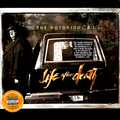
Life After Death by Notorious B.I.G. album cover

#68Life After Death

Notorious B.I.G.1997Hip-Hop/Rap#12 in Hip-Hop/Rap3m 14s listensales rank #72

Recorded across three continents while recovering from a near-fatal car accident, The Notorious B.I.G.'s Life After Death album arrived in March 1997 just sixteen days after his murder—a haunting double album that balanced radio polish with street credibility, cementing his legacy as hip-hop royalty.

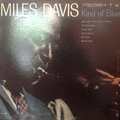
Kind of Blue by Miles Davis album cover

#69Kind of Blue

Miles Davis1959Jazz#6 in Jazz3m 04s listensales rank #73

Miles Davis assembled two rival pianists and abandoned sheet music entirely for Kind of Blue, instead giving his band modal scales and instructions to improvise—a radical 1959 departure that reshaped jazz forever.

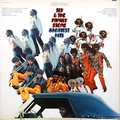
Greatest Hits by Sly & The Family Stone album cover

#70Greatest Hits

Sly & The Family Stone1970Funk#2 in Funk2m 09s listensales rank #74

Sly & The Family Stone's 1970 Greatest Hits proved the greatest hits album format could be high art, not just a commercial cash-grab, reshaping how the music industry viewed compilations forever.

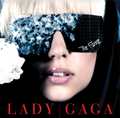
The Fame by Lady Gaga album cover

#71The Fame

Lady Gaga2008Electro#2 in Electro2m 42s listensales rank #75

In 2008, a twenty-two-year-old dropout transformed rejection into reinvention. Lady Gaga's debut The Fame album fused electropop with 1980s nostalgia, channeling high-art ambition through dance-floor euphoria during economic collapse.

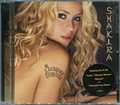
Laundry Service by Shakira album cover

#72Laundry Service

Shakira2001Latin#2 in Latin3m 00s listensales rank #76

Shakira recorded Laundry Service in a rural Uruguayan barn, immersing herself in English poetry and Dylan's lyrics to master a new language. The 2001 album became her breakthrough into the global pop market after industry resistance nearly derailed her crossover ambitions.

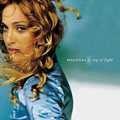
Ray of Light by Madonna album cover

#73Ray of Light

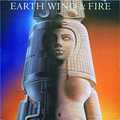
Madonna1998Electro#3 in Electro2m 40s listensales rank #77

After shedding her eighties persona through vocal training and spiritual study, Madonna enlisted producer William Orbit to craft Ray of Light in 1998—a raw, electronically textured departure that marked her emergence as something beyond pop's reigning icon.

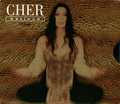
Believe by Cher album cover

#74Believe

Cher1998Electro#4 in Electro2m 12s listensales rank #78

In summer 1998, Cher stood at a creative crossroads at Dreamhouse Studios, resisting her label's push for a dance record. The resulting Believe album became a breakthrough when producer Mark Taylor weaponized Auto-Tune's extreme settings, creating the signature robotic vocal effect that defined the era.

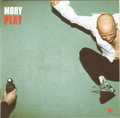
Play by Moby album cover

#75Play

Moby1999Electro#5 in Electro3m 24s listensales rank #79

In 1999, a broke and despairing Moby locked himself away with second-hand equipment to create Play, digitally resurrecting obscure gospel and blues vocals from Alan Lomax's archive. The result transformed electronica by pairing cold precision with human warmth on vinyl.

That's the Way of the World by Earth, Wind & Fire album cover

#76That's the Way of the World

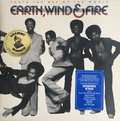
Earth, Wind & Fire1975Funk#3 in Funk2m 48s listensales rank #80

In 1975, Earth, Wind & Fire rushed the release of That's the Way of the World to salvage their reputation before a doomed film premiere. Recorded at Colorado's remote Caribou Ranch, the album merged an eighteen-year-old keyboardist's Minimoog innovations with symphonic horns, creating the funk masterpiece that's the way of the world album became.

The World Is A Ghetto by War album cover

#77The World Is A Ghetto

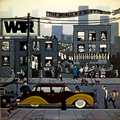
War1972Funk#4 in Funk2m 16s listensales rank #81

War's 1972 funk masterpiece The World Is a Ghetto emerged from a radical twenty-nine-day jam session where the seven-piece collective improvised their way to structural perfection. The album's title track crystallized after the band witnessed wealth's fragility in Malibu, realizing that struggle transcended economic boundaries.

All 'n All by Earth, Wind & Fire album cover

#78All 'n All

Earth, Wind & Fire1977Funk#5 in Funk2m 48s listensales rank #82

Maurice White journeyed to Brazil in 1977, absorbing Afro-Latin rhythms that became the sonic foundation for Earth, Wind & Fire's All 'n All—a transcontinental masterpiece bridging the band's jazz heritage with orchestral grandeur.

Dreaming of You by Selena album cover

#79Dreaming of You

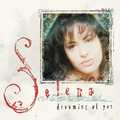
Selena1995Latin#3 in Latin2m 07s listensales rank #83

Selena's Dreaming of You captured her final English-language recordings, including a flawless take of the title track recorded while battling bronchitis just weeks before her death in 1995. The album became a posthumous breakthrough, moving over 331,000 copies in its first week.

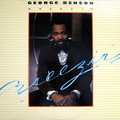
Breezin' by George Benson album cover

#80Breezin'

George Benson1976Jazz#7 in Jazz3m 18s listensales rank #84

In January 1976, a ninety-dollar microphone captured George Benson's spontaneous vocal on "This Masquerade" at Capitol Studio A—a scratch take so perfect it became the final recording. That moment launched Breezin', the breezin' album that transformed the jazz guitarist into a pop phenomenon.

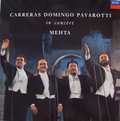
The Three Tenors in Concert by Carreras, Domingo, Pavarotti album cover

#81The Three Tenors in Concert

Carreras, Domingo, Pavarotti1990Classical#1 in Classical2m 48s listensales rank #85

In July 1990, three rival tenors set aside decades of professional tension at Rome's ancient Baths of Caracalla for Carreras, Domingo, Pavarotti: The Three Tenors in Concert—a fundraiser that became an unexpected classical phenomenon, drawing over 100,000 ticket seekers to a 6,000-capacity venue.

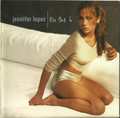
On the 6 by Jennifer Lopez album cover

#82On the 6

Jennifer Lopez1999Latin#4 in Latin2m 25s listensales rank #86

Jennifer Lopez risked her acting credibility on her 1999 debut, On the 6, named after the Bronx subway line that shaped her childhood. When the label rejected her preferred lead single, the replacement "If You Had My Love" became a five-week chart-topper that announced her arrival as a recording artist.

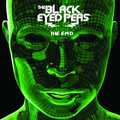
The E.N.D. by The Black Eyed Peas album cover

#83The E.N.D.

The Black Eyed Peas2009Electro#6 in Electro2m 31s listensales rank #87

Will.i.am's epiphany witnessing The Presets in Australia sparked The Black Eyed Peas' radical pivot to electronic fusion on The E.N.D., a 2009 album that redefined their sound through collaborations with David Guetta and the creation of signature "bubble synth" textures.

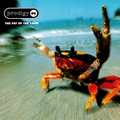
The Fat of the Land by The Prodigy album cover

#84The Fat of the Land

The Prodigy1997Electro#7 in Electro3m 14s listensales rank #88

The Prodigy's 1997 breakthrough The Fat of the Land almost never happened—a rejected doner kebab cover concept forced designer Alex Jenkins to scramble for a replacement, ultimately landing on a moon crab photo that became the face of the fastest-selling dance album in UK history. Liam Howlett's sonic assault fused E-mu sampling with distorted synthesizers while Keith Flint's vocal debut on "Firestarter" terrified parents and topped the charts.

Chant by Benedictine Monks of Santo Domingo de Silos album cover

#85Chant

Benedictine Monks of Santo Domingo de Silos1994Classical#2 in Classical3m 06s listensales rank #89

In 1994, archival recordings of the Benedictine Monks of Santo Domingo de Silos Chant album unexpectedly reached number three on the Billboard 200, offering listeners a stark spiritual counterpoint to grunge's sonic aggression. Captured between 1972 and 1982 in Spanish monasteries, these devotional chant performances relied solely on human voices and monastery acoustics, with no modern production techniques.

Time Out by Dave Brubeck album cover

#86Time Out

Dave Brubeck1959Jazz#8 in Jazz3m 04s listensales rank #90

Dave Brubeck's 1959 Time Out album emerged from a rhythmic epiphany in Istanbul, where unconventional time signatures inspired an experimental gamble that Columbia Records nearly rejected. The Dave Brubeck Quartet defied commercial expectations with complex meters like 5/4 and 6/4, reshaping jazz forever.

Winelight by Grover Washington Jr. album cover

#87Winelight

Grover Washington Jr.1980Jazz#9 in Jazz2m 46s listensales rank #91

Grover Washington Jr.'s Winelight bridged jazz improvisation and pop accessibility in 1980, assembling Marcus Miller, Steve Gadd, and Bill Withers to create thirty-nine minutes of atmospheric sophistication that would define the decade.

Buena Vista Social Club by Buena Vista Social Club album cover

#88Buena Vista Social Club

Buena Vista Social Club1997Latin#5 in Latin3m 04s listensales rank #92

When visa denials stranded Ry Cooder in Havana with booked studio time and no collaborators, producer Nick Gold pivoted to Juan de Marcos González, who assembled forgotten Cuban virtuosos for the Buena Vista Social Club album. Recorded in six days at a studio frozen in the 1950s, the 1997 Buena Vista Social Club review celebrates a desperate improvisation that became a cultural watershed.

The Best of Gipsy Kings by Gipsy Kings album cover

#89The Best of Gipsy Kings

Gipsy Kings1995Latin#6 in Latin2m 45s listensales rank #93

The sons of Spanish Romani refugees who fled to France in the 1930s transformed their fathers' raw flamenco legacy into a global phenomenon. Gipsy Kings' The Best of Gipsy Kings captures their 1995 sonic revolution, fusing traditional rhythms with modern production to create the genre-defining sound that made the entire planet dance.

The Three Tenors in Concert 1994 by Carreras, Domingo, Pavarotti album cover

#90The Three Tenors in Concert 1994

Carreras, Domingo, Pavarotti1994Classical#3 in Classical2m 35s listensales rank #94

On July 16, 1994, Carreras, Domingo, and Pavarotti reunited at Dodger Stadium for the three tenors in concert 1994, drawing 1.3 billion viewers across one hundred countries—arguably the largest single musical event in history at that moment.

Super Fly (OST) by Curtis Mayfield album cover

#91Super Fly (OST)

Curtis Mayfield1972Funk#6 in Funk2m 39s listensales rank #95

Curtis Mayfield crafted the Super Fly soundtrack in 1972 as a moral counterpoint to the film's cocaine trade narrative, composing socially conscious funk while wrestling with personal turmoil and a packed orchestra at Chicago's Curtom Studios.

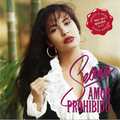
Amor Prohibido by Selena album cover

#92Amor Prohibido

Selena1994Latin#7 in Latin2m 51s listensales rank #96

In 1994, Selena's Amor Prohibido faced a legal standoff when a sample dispute threatened 475,000 pre-sale copies, but brother A.B. Quintanilla's studio innovations and a forbidden-love concept rooted in family history transformed the Tejano album into a crossover breakthrough.

Historia de un Ídolo, Vol. 1 by Vicente Fernández album cover

#93Historia de un Ídolo, Vol. 1

Vicente Fernández2000Latin#8 in Latin2m 32s listensales rank #97

After his son's 1998 kidnapping, Vicente Fernández answered doubts with Historia de un Ídolo, Vol. 1—a 2000 retrospective that reaffirmed his mastery of Mexican ranchera tradition rather than chase the new millennium.

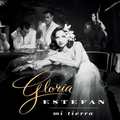
Mi Tierra by Gloria Estefan album cover

#94Mi Tierra

Gloria Estefan1993Latin#9 in Latin2m 23s listensales rank #98

Gloria Estefan defied her label's warnings in 1993, pivoting from English-language pop to record Mi Tierra entirely in Spanish. The album became a landmark achievement, recruiting Latin music royalty like Cachao López and Tito Puente to resurrect Cuba's golden age.

Sacred Arias by Andrea Bocelli album cover

#95Sacred Arias

Andrea Bocelli1999Classical#4 in Classical1m 41s listensales rank #99

Andrea Bocelli's 1999 Sacred Arias album revived 1930s operatic tradition amid Y2K anxiety, becoming the best-selling classical album by a solo artist in history. Collaborating with Rome's prestigious Orchestra dell'Accademia Nazionale di Santa Cecilia, Bocelli transformed sacred arias into a cultural phenomenon that transcended the audio format.

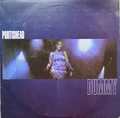
Dummy by Portishead album cover

#96Dummy

Portishead1994Electro#8 in Electro2m 33s listensales rank #100

Portishead's 1994 debut Dummy emerged from Bristol's underground when producer Geoff Barrow and vocalist Beth Gibbons pioneered a radical production technique: pressing their own recordings to vinyl, then physically distressing the discs to create sampled ghosts that redefined electro music.

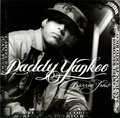
Barrio Fino by Daddy Yankee album cover

#97Barrio Fino

Daddy Yankee2004Latin#10 in Latin2m 44s listensales rank #101

A stray bullet in 1991 redirected Daddy Yankee from baseball stardom to the microphone, ultimately yielding Barrio Fino in 2004—the reggaeton breakthrough that transformed street observations into a global phenomenon, establishing the artist's reign in Latin music.

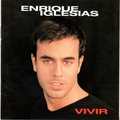
Vivir by Enrique Iglesias album cover

#98Vivir

Enrique Iglesias1997Latin#11 in Latin2m 24s listensales rank #102

In February 1997, twenty-one-year-old Enrique Iglesias dethroned his own father atop the Billboard Latin chart with Vivir, a sophomore album anchored by legendary session musicians including Billy Preston and Gregg Bissonette.

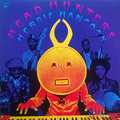
Head Hunters by Herbie Hancock album cover

#99Head Hunters

Herbie Hancock1973Jazz#10 in Jazz3m 11s listensales rank #103

Herbie Hancock's Head Hunters arrived in 1973 as a radical pivot from experimental jazz abstraction to funk-driven groove. After meditating on Sly Stone's influence, Hancock dissolved his previous band and recruited a new rhythm section, wielding the Clavinet D6 and synthesizers to craft the album's signature sound that redefined his artistic direction.

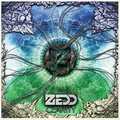
Clarity by Zedd album cover

#100Clarity

Zedd2012Electro#9 in Electro2m 45s listensales rank #104

When a superstar ghosted twenty-three-year-old producer Anton Zaslavski in 2012, he transformed the rejection into Zedd's debut album Clarity, a genre-blending electro masterpiece that reshaped dance music through classical foundations and hard-won creative conviction.

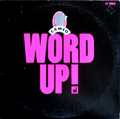
Word Up! by Cameo album cover

#101Word Up!

Cameo1986Funk#7 in Funk2m 52s listensales rank #105

In 1986, Larry Blackmon stripped funk down to its mechanical essence, recording Word Up! in a hallway with a dry, punishing drum sound that cut through eighties excess. Cameo's sonic rebellion paired programmed precision with street vernacular, creating a track that redefined the genre.

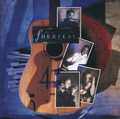
Fourplay by Fourplay album cover

#102Fourplay

Fourplay1991Jazz#11 in Jazz2m 41s listensales rank #106

In 1991, four session legends—Bob James, Lee Ritenour, Nathan East, and Harvey Mason—converged during a recording session and spontaneously formed Fourplay. Their self-titled debut album captured meticulous analog warmth and futuristic precision, establishing a new standard for contemporary jazz collaboration.

You've Come a Long Way, Baby by Fatboy Slim album cover

#103You've Come a Long Way, Baby

Fatboy Slim1998Electro#10 in Electro2m 34s listensales rank #107

Norman Cook assembled You've Come a Long Way, Baby in a modest Brighton studio using obsolete samplers and stacks of obscure vinyl, crafting the 1998 Big Beat landmark that would define electronic music's mainstream breakthrough through meticulous sample collage and cultural references.

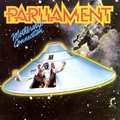
Mothership Connection by Parliament album cover

#104Mothership Connection

Parliament1975Funk#8 in Funk2m 32s listensales rank #108

In 1975, George Clinton reimagined Black liberation through Parliament's Mothership Connection, recruiting James Brown's horn section and Bootsy Collins' bass to deliver uncut funk from a Cadillac-shaped spaceship. The concept album transformed spiritual traditions into sci-fi demands for groove across the galaxy.

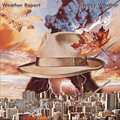
Heavy Weather by Weather Report album cover

#105Heavy Weather

Weather Report1977Jazz#12 in Jazz3m 06s listensales rank #109

Weather Report's 1977 Heavy Weather emerged amid jazz fusion's supposed decline, proving critics wrong with Jaco Pastorius's virtuosic bass work and Joe Zawinul's synthesizer innovations that transformed the heavy weather album into a commercial breakthrough.

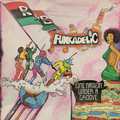
One Nation Under a Groove by Funkadelic album cover

#106One Nation Under a Groove

Funkadelic1978Funk#9 in Funk2m 25s listensales rank #110

George Clinton's chance encounter outside the United Nations inspired Funkadelic's tenth studio album, One Nation Under a Groove, released in 1978 as the band signed to Warner Bros. and built a sonic universe parallel to disco's dominance.

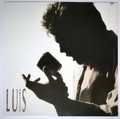
Romance by Luis Miguel album cover

#107Romance

Luis Miguel1991Latin#12 in Latin2m 45s listensales rank #111

At twenty-one, Luis Miguel gambled his career on Romance, a 1991 bolero album that defied grunge-era trends. Working with legendary songwriter Armando Manzanero, he sifted through five hundred songs to craft a sophisticated bridge between youth and tradition.

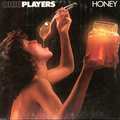
Honey by Ohio Players album cover

#108Honey

Ohio Players1975Funk#10 in Funk2m 48s listensales rank #112

The Ohio Players' 1975 album Honey became a cultural flashpoint when its provocative cover sparked an urban legend claiming the model was killed during recording. The truth was funkier: the album's infamous scream came from keyboardist Billy Beck, not a dying victim, as the band crafted a masterclass in collaborative funk.

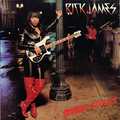
Street Songs by Rick James album cover

#109Street Songs

Rick James1981Funk#11 in Funk2m 13s listensales rank #113

Rick James dismissed a bass riff as too cheesy during Street Songs sessions, but his studio team rescued what became "Super Freak." Recorded in 1981 after James returned to his Buffalo roots, the album blends street authenticity with punk funk aggression, establishing Rick James Street Songs as a defining funk statement.

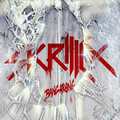
Bangarang by Skrillex album cover

#110Bangarang

Skrillex2011Electro#11 in Electro3m 03s listensales rank #114

Skrillex recorded Bangarang across hotel rooms and tour buses in 2011, crafting the electro EP with laptop production while accidentally capturing ambient bird chirps that defined its chaotic sonic signature. The Bangarang album emerged from nomadic constraints transformed into innovation.

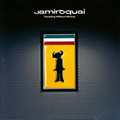
Traveling Without Moving by Jamiroquai album cover

#111Traveling Without Moving

Jamiroquai1996Funk#12 in Funk2m 41s listensales rank #115

Jamiroquai's 1996 masterpiece Traveling Without Moving emerged from frontman Jay Kay's paradox: an environmentalist obsessed with fast cars. The album opens with his Lamborghini's sampled roar, balancing glossy funk grooves with warnings about genetic engineering and a bleak future.

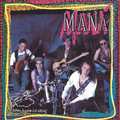
Donde Jugaran Los Ninos by Mana album cover

#112Donde Jugaran Los Ninos

Mana1992Latin#13 in Latin2m 52s listensales rank #116

In 1992, Maná captured lightning in a bottle at Los Angeles studios with Donde Jugaran Los Ninos, the album that transformed the Guadalajara quartet into Spanish-language superstars and marked their founding lineup's final studio statement before a major lineup shift.

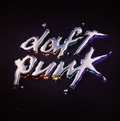
Discovery by Daft Punk album cover

#113Discovery

Daft Punk2001Electro#12 in Electro3m 01s listensales rank #117

Daft Punk's 2001 discovery album emerged from two years of meticulous studio work in Paris, where Thomas Bangalter and Guy-Manuel de Homem-Christo revisited 1970s and 80s childhood memories using vintage gear and unconventional production techniques that would define the French Touch movement.

Symphony No. 3 by Dawn Upshaw / David Zinman album cover

#114Symphony No. 3

Dawn Upshaw / David Zinman1992Classical#5 in Classical2m 42s listensales rank #118

Henryk Górecki's Symphony No. 3 defied classical music convention when Elektra Nonesuch released this 1992 recording with soprano Dawn Upshaw and conductor David Zinman. Built on a Gestapo prisoner's wartime message, the work climbed to number six on UK pop charts—an unprecedented feat for a living composer's minimalist symphony.

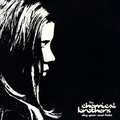
Dig Your Own Hole by Chemical Brothers album cover

#115Dig Your Own Hole

Chemical Brothers1997Electro#13 in Electro2m 41s listensales rank #119

The Chemical Brothers' 1997 breakthrough Dig Your Own Hole emerged from South London graffiti and studio experimentation, blending modular synths with unlikely collaborators like Noel Gallagher to create a chart-topping hybrid that refused to pick sides in the cultural war.

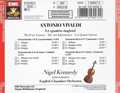
The Four Seasons by Nigel Kennedy album cover

#116The Four Seasons

Nigel Kennedy1989Classical#6 in Classical2m 44s listensales rank #120

Nigel Kennedy's 1989 recording of The Four Seasons defied classical music convention when EMI deployed pop-world marketing tactics—prime-time TV spots, street posters, and talk-show appearances—to launch the young virtuoso's baroque masterpiece, making the four seasons review a cultural phenomenon beyond the concert hall.

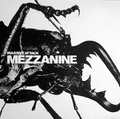
Mezzanine by Massive Attack album cover

#117Mezzanine

Massive Attack1998Electro#14 in Electro3m 10s listensales rank #121

Massive Attack's 1998 album Mezzanine emerged from creative warfare in a Bristol studio where band members refused to speak directly, communicating only through their producer. The fractured tension between members' clashing visions—from laid-back urban soul to industrial darkness—forged the suffocating, haunting intensity that defined this massive attack on 90s electronica.

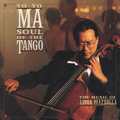
Soul of the Tango by Yo-Yo Ma album cover

#118Soul of the Tango

Yo-Yo Ma1997Classical#7 in Classical2m 34s listensales rank #122

In 1997, Yo-Yo Ma traveled to Buenos Aires to record Soul of the Tango, channeling Astor Piazzolla's spirit by performing alongside a bandoneon track the late composer recorded a decade earlier, completing a musical lineage that began with their shared teacher in Paris.

Appalachia Waltz by Yo-Yo Ma, Meyer, O'Connor album cover

#119Appalachia Waltz

Yo-Yo Ma, Meyer, O'Connor1996Classical#8 in Classical3m 19s listensales rank #123

In 1996, cellist Yo-Yo Ma, bassist Edgar Meyer, and fiddler Mark O'Connor merged classical virtuosity with American folk tradition on Appalachia Waltz, born from a fifteen-minute burst of inspiration in a New Mexico desert cabin that nearly remained unheard.

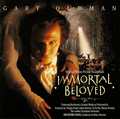
Immortal Beloved (OST) by Solti, Perahia, Kremer album cover

#120Immortal Beloved (OST)

Solti, Perahia, Kremer1994Classical#9 in Classical3m 18s listensales rank #124

Sir Georg Solti conducts the London Symphony Orchestra through Beethoven's most intimate works on the Immortal Beloved soundtrack, featuring soloists Murray Perahia and Gidon Kremer. This 1994 immortal beloved album pairs the composer's tortured genius with a modern orchestral sound that captures the film's dramatic scope.

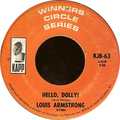
Hello, Dolly! by Louis Armstrong album cover

#121Hello, Dolly!

Louis Armstrong2009Jazz#13 in Jazz2m 47s listensales rank #125

In spring 1964, Louis Armstrong's Hello, Dolly! achieved the unthinkable: a sixty-two-year-old jazz trumpeter dethroned the Beatles' fourteen-week reign atop the Billboard Hot 100. The breakthrough came after composer Jerry Herman initially rejected Armstrong for the Broadway showtune, convinced his gravel voice couldn't carry the ballad.

Rachmaninov: Piano Concerto No. 3 by David Helfgott album cover

#122Rachmaninov: Piano Concerto No. 3

David Helfgott1996Classical#10 in Classical3m 03s listensales rank #126

David Helfgott's 1996 recording of Rachmaninov: Piano Concerto No. 3 became an unlikely pop culture phenomenon after the film Shine dramatized the Australian pianist's life, transforming this notoriously demanding D minor opus into a cinematic centerpiece. Rachmaninoff himself composed the work in 1909 while racing to prepare for his American tour, even practicing on a silent keyboard during his Atlantic crossing.

How we built this Top 100

The Top 100 ranking uses a hybrid model because no single dataset spans the entire 1960–2010 window with the precision a vinyl-only ranking demands. May 1991 marks the structural break: before that date, US music sales were tracked through manual retailer call-arounds and were vulnerable to subjective reporting and label manipulation; after that date, Nielsen SoundScan (now Luminate) introduced UPC scanning at point-of-sale and enabled true unit accounting per physical format.

Pre-1991 baseline — RIAA Gold & Platinum certifications

For 1960–1991 we lean on RIAA certifications because they rest on third-party audits of label shipment ledgers (Gold = 500K, Platinum = 1M, Multi-Platinum = 2M+, Diamond = 10M). Audits performed by firms like Gelfand, Rennert and Feldman cross-check billing records, royalty statements and shipment slips, capturing channels that even modern POS systems can miss — record clubs, mail order, and direct-to-distributor pressings that dominated 1970s and 1980s vinyl sales.

1991–2010 baseline — Luminate / Nielsen SoundScan

From May 1991 onward, Luminate captures retail transactions in real time, scoped per UPC and per physical format. That precision lets us isolate vinyl sales from CD or cassette sales for the same title. Luminate’s panel is statistically weighted to extrapolate categories of stores not directly covered, and since 2007 spans roughly 90% of the US physical market — including the independent record shops where vinyl always thrived the most.

Reconciliation layer — how we corrected the seams

  • Multi-disc albums are de-duplicated. RIAA counts each LP inside a box set as one unit; we adjust pre-1991 numbers to the per-album shape Luminate uses post-1991 to keep ranks comparable across the seam.
  • Format-mixed certifications. Post-1982 RIAA awards aggregate vinyl + CD + cassette. Where Luminate data exists for the same title, we trust Luminate’s vinyl-only column to avoid CD-era inflation.
  • Catalog longevity correction. Pre-1991 retailer surveys under-counted evergreen titles (rotation bias). Where a record has continued to chart on Luminate vinyl tallies post-1991, we keep that signal in the rank instead of freezing the 1980s snapshot.
  • Genre under-sampling correction. Pre-1991 panels under-sampled rural stores and big-box retail, structurally hurting Country and Hip-Hop. We document the under-sample explicitly per album and flag any rank that depends on it.

The published list shows the Top 100 plus 22 bonus podcast stories. The number is « 100+ » because ties at the cut-off and dedicated podcast coverage for borderline records justified expanding the slate by 22 entries rather than arbitrarily truncating it. Every entry must have both a verified sales position and a published VinylCast podcast.

Explore by VinylCast genre

Once you’ve picked a record above, dig deeper through the dedicated VinylCast genre hubs — each one curates the same Top 100 lens through a single musical lens, with its own keyword landscape and its own studio-stories shortlist:

Pop · Rock · Electro · Hip-Hop/Rap · Country · Latin · Funk · R&B/Soul · Jazz · Classical

Sources

Frequently asked questions

Why does this Top 100 cover 1960–2010 specifically?
The Top 100 covers 1960–2010 because 1960 marks the moment the 12-inch LP became the dominant consumer format and 2010 closes the half-century before streaming-equivalent units distorted the sales picture for vinyl albums.
Why combine RIAA certifications with Luminate sales data?
Because they cover different eras. RIAA certifications, audited by independent accounting firms, are the only reliable source for the pre-1991 period (manual retailer surveys before that date were subjective and label-manipulated). Luminate (formerly Nielsen SoundScan) provides UPC-level point-of-sale precision from May 1991 onward. The hybrid model uses each source where it is strongest.
Why does the list show 122 albums instead of exactly 100?
The published slate is the Top 100 plus 22 bonus podcast stories. Ties at the cut-off and fully published VinylCast episodes for borderline records justified expanding the list by 22 entries rather than dropping eligible stories. The Top 100 ranking itself is unchanged — every album you see has a verified sales rank and a published podcast you can listen to.
Why don’t you use Billboard Hot 100 / Billboard 200 historical charts?
Pre-November 1991, Billboard charts were derived from telephone surveys of retailers, not actual sales. They were vulnerable to label manipulation and systematically under-counted Country and Hip-Hop. We use audited RIAA shipments for that era and Luminate scans afterward.
What is the difference between Luminate sales and RIAA certifications?
Luminate measures pure unit sales at point-of-sale (the moment a customer checks out). RIAA certifies net shipments after returns to retail and record clubs. Numbers can vary slightly between the two, but for 1960–1991 RIAA is the only audited source available.
How does RIAA handle multi-disc albums like Pink Floyd’s The Wall?
Each disc inside a box set counts as one unit toward RIAA certification. We correct that bias for our Top 100 by normalizing pre-1991 multi-disc certifications to a per-album figure that matches Luminate’s post-1991 counting convention.
What about record clubs like Columbia House?
Record clubs accounted for a large share of 1970s and 1980s vinyl sales but never showed up in retail surveys. Because RIAA audits the labels themselves, those direct-to-consumer shipments are captured in the certifications we use as the pre-1991 baseline.
Does each album block link to the free podcast?
Yes. Every card includes a «Discover the podcast» CTA. For albums that already have a dedicated public podcast page (such as Fleetwood Mac — Rumours), the CTA links directly to that canonical page (cover, transcript excerpt, audio player, tracklist, line-up, FAQ). For the remaining albums, the CTA opens the free episode in our share-preview player while the dedicated page is being published. When the record also has a verified production-incident angle, the card adds a one-click bridge to the Studio Accidents hub.
How do you decide the primary search keyword shown on each card?
We run a DataForSEO Google Ads search-volume call for each album with five keyword variants ({title} vinyl, {artist} {title}, {title} album, how {title} was made, {title} review). The variant with the highest US monthly search volume becomes the primary; the next two become secondary. Snapshots are stored in PostgreSQL for traceability.
Is browsing this hub free?
Yes. This page is a free public discovery layer for VinylCast. You can read every story, listen to every podcast and follow every genre or studio-accident link without creating an account.