
The story behind Daydream by Mariah Carey
Hello and welcome to VinylCast.
Late at night in 1995, long after her official studio sessions wrapped, a global superstar would sneak away to record a secret alternative rock album called *Someone's Ugly Daughter* under the band name Chick. She channeled the breezy-grunge style of the era, hiding her world-famous voice under layers of distortion just to feel a moment of freedom. This secret rebellion was the shadow to the light of her fifth studio album. This is the story of *Daydream* by Mariah Carey.
Between December 1994 and August 1995, Carey’s marriage to Sony Music head Tommy Mottola was crumbling. *Vanity Fair* reported that the couple had begun to argue "at the drop of a hat." Mottola had meticulously controlled her career since her debut, insisting she stick to safe, middle-of-the-road pop ballads. But Carey was desperate for a transition. She entered a phase of intense creativity, finally taking control to craft a sound she actually related to.
The battleground for this new direction was the lead single, "Fantasy." Carey conceived the melody after hearing Tom Tom Club's "Genius of Love" on the radio. When she insisted on featuring Ol' Dirty Bastard of the Wu-Tang Clan on the remix, Columbia executives panicked. They feared she was "breaking the formula," preferring their star in a long dress with her hair up rather than embracing hip-hop textures. But Carey knew this urban evolution was necessary.
She expanded her circle, bringing in Jermaine Dupri and Manuel Seal. During one session, as Seal played the piano, Carey began humming the melody for what would become "Always Be My Baby." For the track "Underneath the Stars," the first song recorded for the project, she aimed for a Minnie Riperton vibe, using synthetic record scratches to create an authentic 70s soul atmosphere.
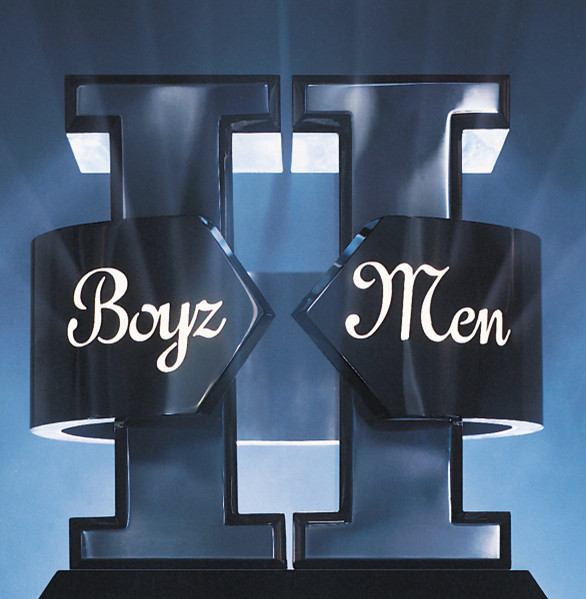
The album also touched on deep sorrow. Following the death of her friend and collaborator David Cole, she began writing "One Sweet Day." When she presented the idea to Boyz II Men, the group realized they had a similar concept developing for their own road manager who had passed away. The resulting collaboration became a eulogy that reigned as the longest-running number-one single in history for decades.
Commercially, the risk paid off. *Daydream* became a juggernaut, earning a Diamond certification in the US and selling over 20 million copies worldwide. Yet, the industry wasn't ready to honor her pivot. At the 1996 Grammys, despite being the heavy favorite, *Daydream* lost all six of its nominations. Television cameras awkwardly zoomed in on Carey’s face as she tried to retain her smile through every loss.
Today, however, history has corrected the record. *Daydream* stands as the essential bridge between her pop origins and her R&B dominance. It was the end of her innocence, but the beginning of her freedom.
Thanks for listening to this podcast, provided to your ears by VinylCast.
Production Personnel & Credits
Musicians, producers, engineers and design credited on this album.
Why this album ranks #54 in our Top 100
Daydream sits at #54 in the VinylCast Top 100 best-selling US vinyl albums (1960–2010), and #9 within R&B/Soul. The ranking reconciles RIAA certified shipments with Luminate (Nielsen SoundScan) point-of-sale data, with manual reconciliation for catalog re-releases. See the full Top 100 with methodology.
More R&B/Soul from the Top 100

Frequently asked questions
How was Daydream by Mariah Carey made?
Listen to the full VinylCast episode above for the verified creation story of Daydream by Mariah Carey, sourced from published recording-session accounts.